

diamond resin polishing pads
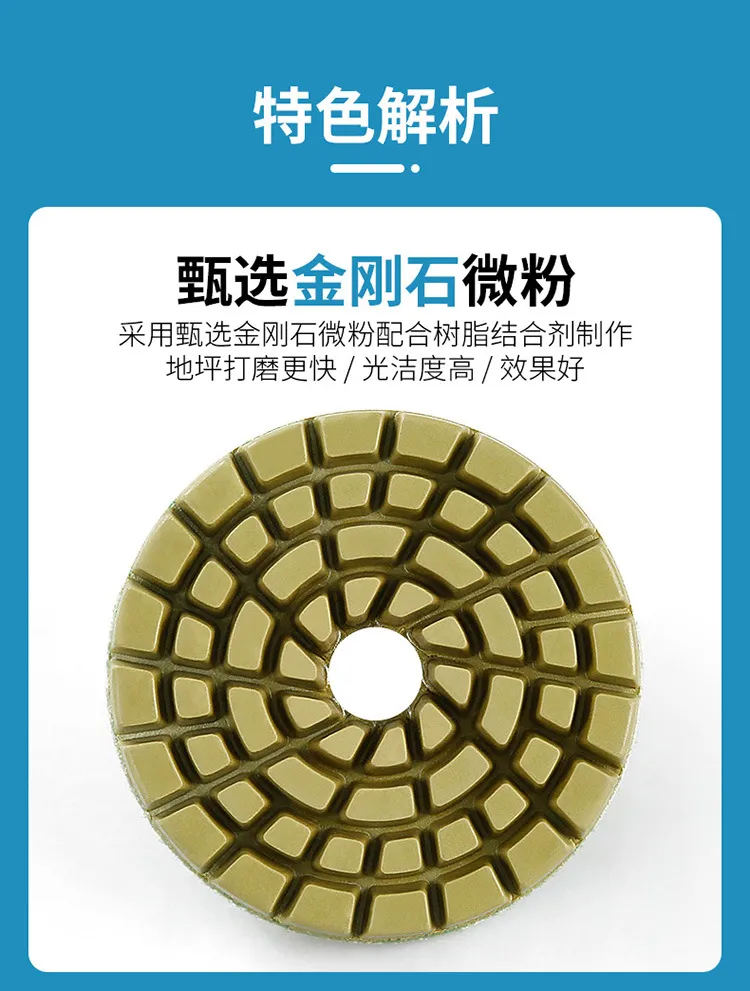
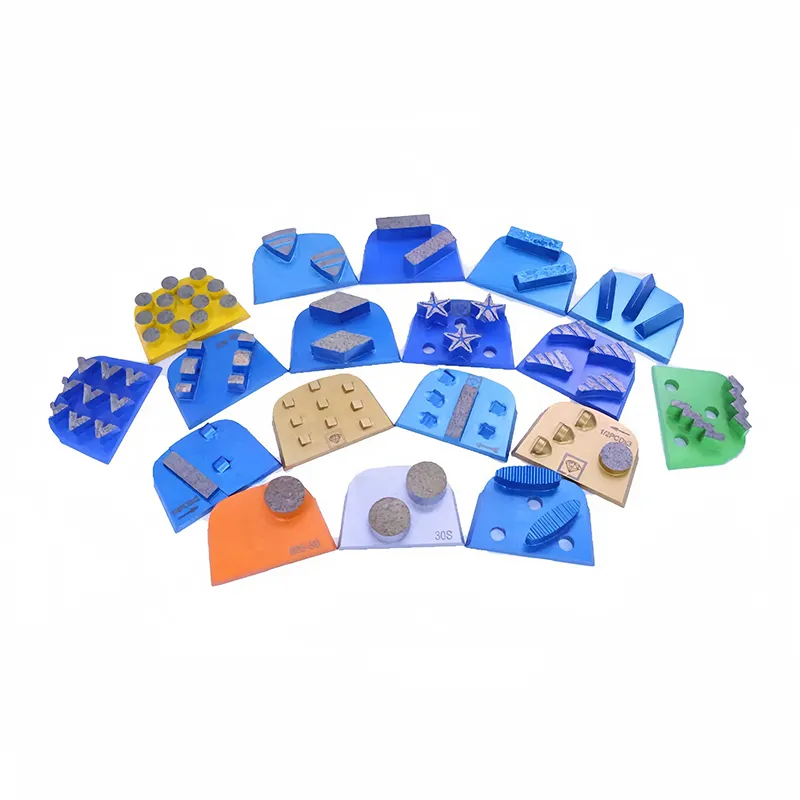
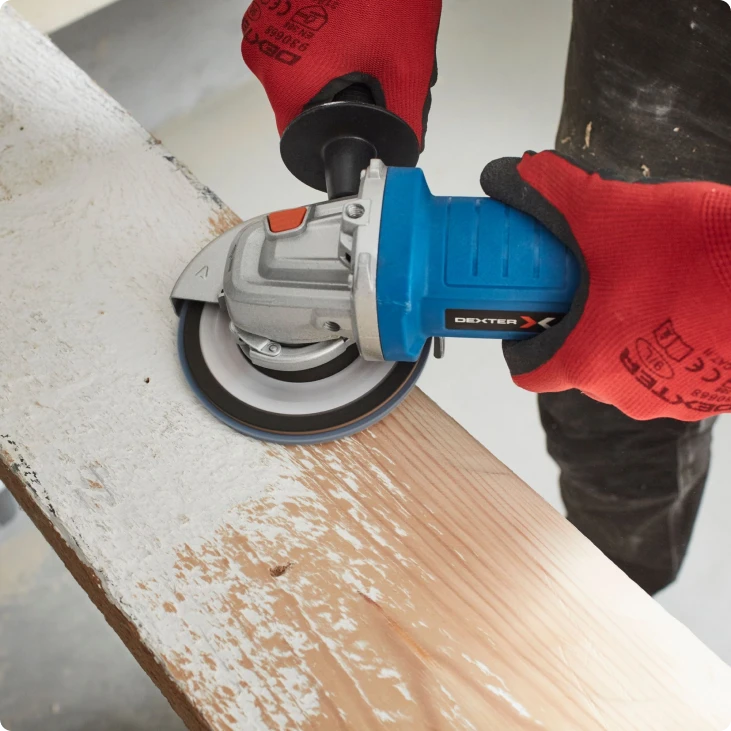
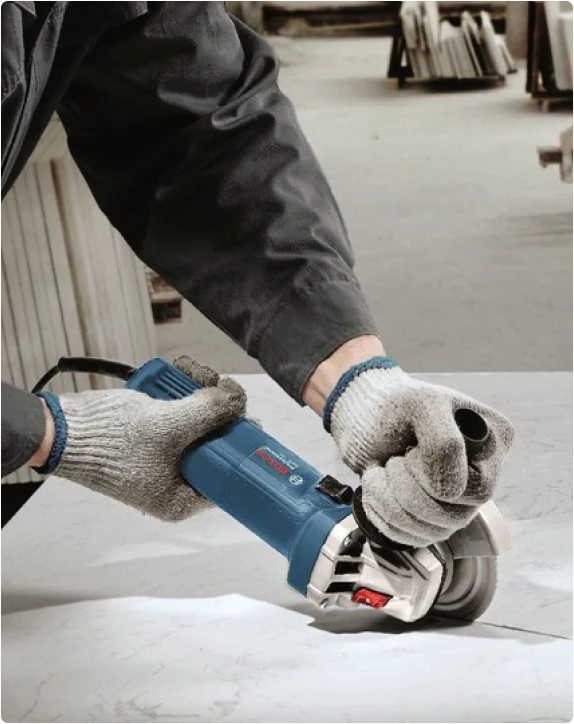
When brilliance, speed, and flexibility matter most in stone finishing, dry polishing pads deliver where others can’t. Engineered for professional use across concrete, granite, marble, and engineered stone, diamond dry polishing pads are changing the way fabricators and contractors achieve high-gloss finishes—without the mess or limitations of water. From adapting to surface textures and color sensitivity to storage and long-term performance, this article will explore every key aspect that makes these pads essential for dry surface refinement. Dry Polishing Pads Handle Textured and Uneven Surfaces with Ease Uneven slabs, rough-finished concrete, and naturally textured stones often pose challenges for standard polishing equipment. However, the unique design of dry polishing pads allows them to adapt seamlessly. Thanks to their flexible resin-bonded structure and segmented diamond layout, they conform to surface contours while maintaining consistent pressure. Unlike rigid or inflexible pads, which can skip or gouge on ridged surfaces, dry concrete polishing pads move smoothly over inconsistencies. Their segmented construction not only promotes airflow for better heat control but also ensures complete surface contact—essential for eliminating swirl marks or missed areas. This adaptability makes them a preferred choice for flooring contractors, countertop fabricators, and stone installers who need reliable tools for field polishing. Whether you're smoothing stamped concrete, resurfacing terrazzo, or refinishing a granite hearth, dry polishing pads flex and polish without compromising surface integrity. Their versatility across different hardness levels and surface finishes reduces the need for switching between specialized tools, saving both time and cost on the job. Flawless Results on Dark Stones with Diamond Dry Polishing Pads Dark natural stones, such as black granite or basalt, are notoriously difficult to polish using dry methods due to the risk of overheating and resin transfer. But high-quality diamond dry polishing pads are specially formulated to address this. These pads use heat-resistant resins and fine-grit industrial diamonds that polish without burning or staining darker surfaces. Their excellent heat dissipation properties are a result of advanced channel designs within the pad matrix, allowing air to flow as you polish. This reduces friction buildup and prevents shadowy patches or resin smudges. Even when used at high RPMs, dry concrete polishing pads maintain their composure, producing a uniform, mirror-like shine on the darkest and densest materials. Importantly, the resin formulation used in premium dry polishing pads resists dye migration—a problem common in low-quality pads when applied to black or dark green surfaces. Whether you're restoring an antique black marble fireplace or honing a high-end kitchen countertop, these pads ensure that your work finishes with clarity and depth. Will Dry Polishing Pads Leave Marks? Only If Misused A frequent concern among professionals and DIY users alike is whether dry polishing pads will leave visible swirl marks or haze. While it’s true that dry methods inherently carry more heat risk than wet polishing, modern diamond dry polishing pads significantly reduce this issue. The key is even grit distribution and resin flexibility. These elements allow the pad to wear uniformly, delivering controlled abrasion across the entire contact area. This results in fewer pressure points and far less chance of uneven polishing. Furthermore, most dry concrete polishing pads today are engineered with color-coded grit sequences, making it easy to follow a progressive polishing system. However, skipping grits or applying excessive pressure can still cause marking—especially on soft materials like limestone or soapstone. Using a steady hand, a light touch, and allowing the pad to do the work is the best approach. And always remember: the final finish quality depends not only on the tool but on proper technique. How Storage Affects the Longevity of Dry Polishing Pads Proper storage of dry polishing pads plays a pivotal role in preserving their structure and performance. Because the pads are composed of resins and synthetic bonding agents, environmental exposure can weaken them over time. Humidity can soften the resin bond, causing the diamonds to shed prematurely, while dry heat can lead to cracking or warping of the pad base. To avoid these problems, always store your diamond dry polishing pads in a climate-controlled environment. Keep them in original packaging or separate fabric-lined compartments to prevent pad-on-pad abrasion. It’s also essential to avoid placing heavy tools or objects on top of them, as this may flatten the diamond segments or distort the pad’s profile. Proper care doesn’t stop at storage. After each use, inspect the pads for debris, wear lines, or signs of resin burn. If you notice discoloration, it could mean the pad was overheated and may need to be replaced. Regular cleaning with a soft brush or compressed air can help remove residue that builds up between the diamond segments. Dry Polishing Pads FAQs Do dry polishing pads work on rough or uneven concrete? Yes. The flexibility and segmented design of dry polishing pads allow them to glide smoothly over rough or imperfect surfaces while maintaining consistent contact and polishing efficiency. Will diamond dry polishing pads leave swirl marks on dark granite? When used correctly with progressive grit sequences, high-quality diamond dry polishing pads will not leave swirl marks or resin burns on dark stone. They're specifically engineered for color-sensitive applications. How long do dry concrete polishing pads typically last? Longevity depends on the frequency of use and surface hardness. When used correctly and stored properly, dry concrete polishing pads can polish dozens of square meters before needing replacement. Can poor storage really affect dry polishing pads ? Absolutely. Storing pads in humid or hot environments can degrade the resin bond and shorten pad life. Store them in a dry, cool area to maintain performance. What surfaces are dry polishing pads ideal for? Dry polishing pads are ideal for concrete, granite, marble, engineered stone, terrazzo, and even some ceramics. Their versatility makes them suitable for both fieldwork and shop applications.
-
 30000M2Floor Space
 -
 100+Team size
 -
 20+Production experience
 -
 120+Export Countries
diamond resin polishing pads
When brilliance, speed, and flexibility matter most in stone finishing, dry polishing pads deliver where others can’t. Engineered for professional use across concrete, granite, marble, and engineered stone, diamond dry polishing pads are changing the way fabricators and contractors achieve high-gloss finishes—without the mess or limitations of water. From adapting to surface textures and color sensitivity to storage and long-term performance, this article will explore every key aspect that makes these pads essential for dry surface refinement. Dry Polishing Pads Handle Textured and Uneven Surfaces with Ease Uneven slabs, rough-finished concrete, and naturally textured stones often pose challenges for standard polishing equipment. However, the unique design of dry polishing pads allows them to adapt seamlessly. Thanks to their flexible resin-bonded structure and segmented diamond layout, they conform to surface contours while maintaining consistent pressure. Unlike rigid or inflexible pads, which can skip or gouge on ridged surfaces, dry concrete polishing pads move smoothly over inconsistencies. Their segmented construction not only promotes airflow for better heat control but also ensures complete surface contact—essential for eliminating swirl marks or missed areas. This adaptability makes them a preferred choice for flooring contractors, countertop fabricators, and stone installers who need reliable tools for field polishing. Whether you're smoothing stamped concrete, resurfacing terrazzo, or refinishing a granite hearth, dry polishing pads flex and polish without compromising surface integrity. Their versatility across different hardness levels and surface finishes reduces the need for switching between specialized tools, saving both time and cost on the job. Flawless Results on Dark Stones with Diamond Dry Polishing Pads Dark natural stones, such as black granite or basalt, are notoriously difficult to polish using dry methods due to the risk of overheating and resin transfer. But high-quality diamond dry polishing pads are specially formulated to address this. These pads use heat-resistant resins and fine-grit industrial diamonds that polish without burning or staining darker surfaces. Their excellent heat dissipation properties are a result of advanced channel designs within the pad matrix, allowing air to flow as you polish. This reduces friction buildup and prevents shadowy patches or resin smudges. Even when used at high RPMs, dry concrete polishing pads maintain their composure, producing a uniform, mirror-like shine on the darkest and densest materials. Importantly, the resin formulation used in premium dry polishing pads resists dye migration—a problem common in low-quality pads when applied to black or dark green surfaces. Whether you're restoring an antique black marble fireplace or honing a high-end kitchen countertop, these pads ensure that your work finishes with clarity and depth. Will Dry Polishing Pads Leave Marks? Only If Misused A frequent concern among professionals and DIY users alike is whether dry polishing pads will leave visible swirl marks or haze. While it’s true that dry methods inherently carry more heat risk than wet polishing, modern diamond dry polishing pads significantly reduce this issue. The key is even grit distribution and resin flexibility. These elements allow the pad to wear uniformly, delivering controlled abrasion across the entire contact area. This results in fewer pressure points and far less chance of uneven polishing. Furthermore, most dry concrete polishing pads today are engineered with color-coded grit sequences, making it easy to follow a progressive polishing system. However, skipping grits or applying excessive pressure can still cause marking—especially on soft materials like limestone or soapstone. Using a steady hand, a light touch, and allowing the pad to do the work is the best approach. And always remember: the final finish quality depends not only on the tool but on proper technique. How Storage Affects the Longevity of Dry Polishing Pads Proper storage of dry polishing pads plays a pivotal role in preserving their structure and performance. Because the pads are composed of resins and synthetic bonding agents, environmental exposure can weaken them over time. Humidity can soften the resin bond, causing the diamonds to shed prematurely, while dry heat can lead to cracking or warping of the pad base. To avoid these problems, always store your diamond dry polishing pads in a climate-controlled environment. Keep them in original packaging or separate fabric-lined compartments to prevent pad-on-pad abrasion. It’s also essential to avoid placing heavy tools or objects on top of them, as this may flatten the diamond segments or distort the pad’s profile. Proper care doesn’t stop at storage. After each use, inspect the pads for debris, wear lines, or signs of resin burn. If you notice discoloration, it could mean the pad was overheated and may need to be replaced. Regular cleaning with a soft brush or compressed air can help remove residue that builds up between the diamond segments. Dry Polishing Pads FAQs Do dry polishing pads work on rough or uneven concrete? Yes. The flexibility and segmented design of dry polishing pads allow them to glide smoothly over rough or imperfect surfaces while maintaining consistent contact and polishing efficiency. Will diamond dry polishing pads leave swirl marks on dark granite? When used correctly with progressive grit sequences, high-quality diamond dry polishing pads will not leave swirl marks or resin burns on dark stone. They're specifically engineered for color-sensitive applications. How long do dry concrete polishing pads typically last? Longevity depends on the frequency of use and surface hardness. When used correctly and stored properly, dry concrete polishing pads can polish dozens of square meters before needing replacement. Can poor storage really affect dry polishing pads ? Absolutely. Storing pads in humid or hot environments can degrade the resin bond and shorten pad life. Store them in a dry, cool area to maintain performance. What surfaces are dry polishing pads ideal for? Dry polishing pads are ideal for concrete, granite, marble, engineered stone, terrazzo, and even some ceramics. Their versatility makes them suitable for both fieldwork and shop applications.
-
30000M2Floor Space
-
100+Team size
-
20+Production experience
-
120+Export Countries